Six Sigma (6σ) Quality Management is a management and quality improvement method aimed at reducing process defects to extremely low levels through measurement – data analysis – systematic improvement
PROGRAM OBJECTIVES

The program is designed to help enterprises reduce defects and variation in processes through measurement, data analysis, and systematic improvement.
The program objectives aim to stabilize product quality, reduce defect-related and rework costs, while improving operational efficiency in a sustainable manner.

TRAINING FORMAT

In-house Training
The program is specifically designed according to the current situation and objectives of each enterprise, with flexibility in content and duration.
Coaching & Implementation
Trực tiếp đồng hành cùng doanh nghiệp áp dụng kiến thức vào thực tế vận hành, đảm bảo tạo ra kết quả cụ thể và bền vững.

Implementing Six Sigma delivers clear and measurable benefits for enterprises, especially in manufacturing and operations environments with high quality requirements
Introduction to Six Sigma
Understand Six Sigma principles and the critical role of variation control in manufacturing processes
Quality Measurement and Evaluation
Establish measurement systems to assess process performance and quality effectiveness
Measurement System Analysis (MSA)
Ensure data accuracy and reliability before conducting improvement initiatives
Process Variation Analysis
Identify sources of instability and variation that lead to defects and inconsistent performance
Statistical Process Control (SPC)
Monitor and control process stability using statistical methods and control charts
Process Capability Assessment
Evaluate a process's ability to consistently meet customer requirements using statistical capability indices
Root Cause Analysis
Identify the true underlying causes of defects, failures, and process variation.
Process Capability Assessment
Evaluate a process's ability to consistently meet customer requirements using statistical capability indices
Quality Improvement Using DMAIC
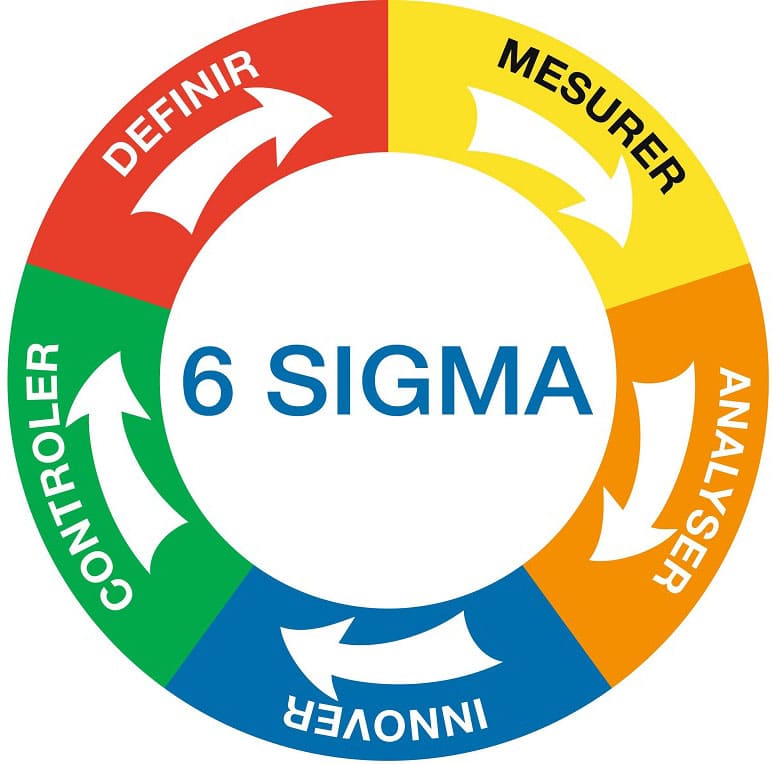
Apply the DMAIC methodology (Define, Measure, Analyze, Improve, Control) to solve critical quality and operational problems
Control and Sustain Improvements
Establish control systems and monitoring mechanisms to maintain long-term improvement results
Team Development and Project Deployment
Develop Six Sigma teams and successfully implement improvement projects throughout the organization.
When processes are clearly measured, root causes of defects are analyzed to the source, and decisions are made based on data, improvement is no longer a one-time action but becomes an organizational capability. The greatest value of Six Sigma is its ability to build a stable operating system, where quality is controlled from the beginning, and improvement is sustained continuously and sustainably throughout the development process

Training duration and cost
The program timeline and investment cost are customized based on the specific needs, scale, and objectives of each enterprise.